
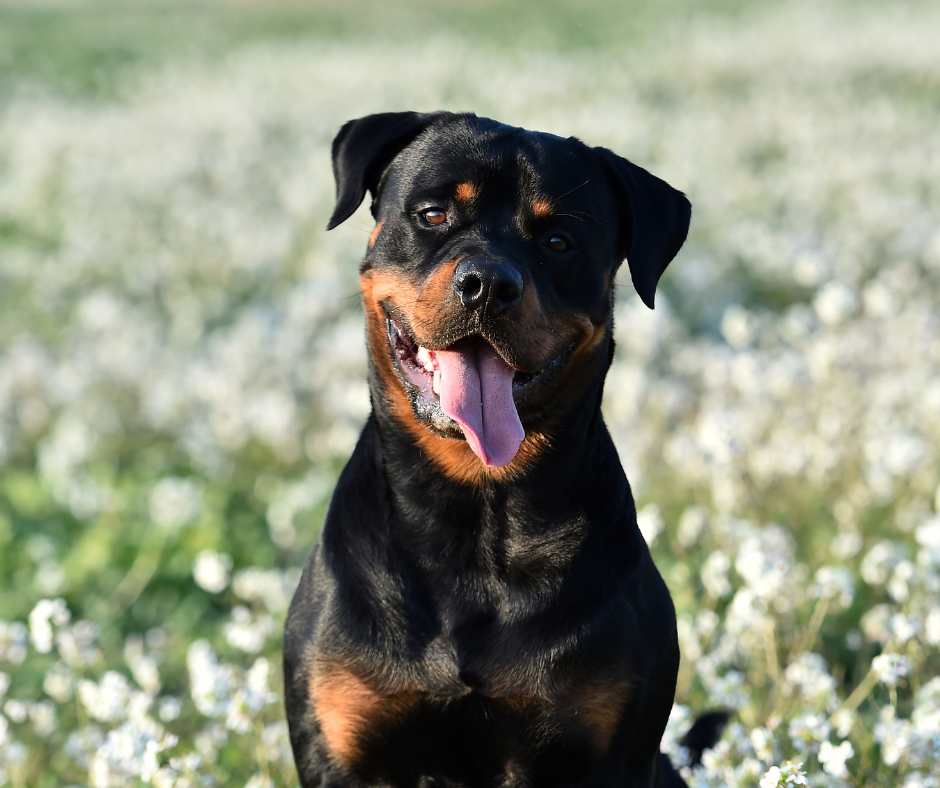
If your dog suddenly starts limping on a back leg, struggles to get up or seems reluctant to put weight on one side, a cruciate ligament injury could be one possible cause.
Cranial cruciate ligament disease is one of the most common orthopaedic problems affecting dogs and can cause significant pain and difficulty moving. Although the name can sound intimidating, understanding what is happening inside your dog’s stifle, and what treatment options are available, can make the diagnosis a little easier to navigate.
What is the cranial cruciate ligament?
The cranial cruciate ligament, often shortened to CrCL or CCL, is found inside the dog’s knee, which we call the stifle joint.
It helps keep the stifle stable by preventing abnormal movement between the femur, or thigh bone, and the tibia, or shin bone. It performs a similar role to the anterior cruciate ligament (ACL) in the human knee.
When the cranial cruciate ligament becomes damaged, the stifle loses some of this stability. Every time the dog puts weight on the affected leg, the bones can move abnormally in relation to each other. This causes inflammation, discomfort and, over time, osteoarthritis.
The ligament may be partially torn or completely ruptured.
Why does cranial cruciate ligament rupture happen?
It is tempting to imagine a cruciate rupture happening because a dog landed awkwardly while running or playing. Although trauma can sometimes be involved, this is not how most cruciate problems develop in dogs.
More commonly, the ligament gradually degenerates and becomes weaker over time. Eventually, it may partially tear or rupture completely. A run, jump or sudden change of direction may therefore be when the owner first notices the problem, rather than being the sole cause of the injury.
Factors including genetics, body condition, knee conformation, age and breed may all contribute to the development of cranial cruciate ligament disease.
Dogs that have suffered a cruciate rupture in one stifle can also be at increased risk of developing a similar problem in the other in the future.
Are some breeds more at risk?
Any dog can develop cruciate ligament disease, but some breeds appear to be more predisposed than others.
Research involving dogs receiving veterinary care in the UK found an increased risk in breeds including:
- Rottweilers
- Bichon Frises
- West Highland White Terriers
- Golden Retrievers
Other breeds reported as being predisposed to cruciate disease include Labrador Retrievers, Staffordshire Bull Terriers, Newfoundlands, Mastiffs and Akitas.
Being a particular breed certainly does not mean that a dog will develop cruciate disease. Similarly, crossbreeds and dogs without a recognised breed predisposition can still be affected.
Bodyweight can also be important. Keeping your dog at a healthy weight reduces unnecessary strain on their joints and is particularly valuable if they already have an orthopaedic condition.
What are the symptoms of a cruciate ligament injury?
The signs can vary depending on whether the ligament is partially or completely damaged and how long the problem has been developing.
You may notice your dog:
- Limping on one of their back legs
- Holding the affected leg off the ground
- Only lightly touching their toes to the floor
- Becoming stiff, particularly after resting
- Struggling to get up or lie down
- Being reluctant to jump into the car or onto furniture
- Becoming less interested in walks or exercise
- Sitting with the affected leg positioned differently from normal
With longer-standing problems, muscle loss may develop in the affected leg because the dog is using it less.
Some dogs initially improve with rest, only for the lameness to return once their activity increases again. This is one reason why recurrent hindlimb lameness should not simply be assumed to be a minor sprain.
How is a cruciate ligament rupture diagnosed?
Diagnosis usually begins with a discussion about what you have noticed at home, followed by a thorough examination of your dog and their joints.
Your vet will assess the stifle for pain, swelling, instability and changes in movement. Specific tests known as the cranial drawer test and tibial thrust test can help identify the abnormal movement associated with a damaged cruciate ligament.
Some dogs tense their leg muscles during an examination, particularly when they are uncomfortable or anxious. Sedation may therefore occasionally be recommended so the joint can be assessed more accurately.
X-rays can also be useful. The ligament itself does not normally show clearly on an Xray, but radiographs can reveal changes associated with cruciate disease, including joint swelling and osteoarthritis. They can also help rule out other causes of lameness and are important when planning certain surgical procedures.
How are cruciate ligament injuries treated?
Treatment depends on factors including your dog’s size, age, activity levels, general health and the degree of instability within the joint.
For many dogs, particularly larger or active dogs, surgery is recommended because it can provide greater stability to the stifle and, therefore, the back leg as a whole.
Several surgical techniques are available. These include procedures such as tibial plateau levelling osteotomy (TPLO), tibial tuberosity advancement (TTA) or Modified Maquet Procedure (MMP), and extracapsular stabilisation. Rather than simply replacing the damaged ligament, some of these techniques alter the way forces travel through the stifle, so it remains stable when the dog walks, with or without an intact ligament.
Recent research has found that dogs treated surgically for cranial cruciate ligament rupture had lower levels of both short- and longer-term lameness than dogs managed without surgery.
However, surgery is not necessarily the right option for every dog.
Non-surgical management may sometimes be considered, particularly for smaller dogs or dogs where surgery is not appropriate. This can involve carefully controlled exercise, pain relief and anti-inflammatory medication, weight management and physiotherapy or rehabilitation.
Whichever treatment is chosen, recovery is gradual. Following veterinary advice about exercise restriction and rehabilitation is extremely important, particularly during the first few weeks after an injury or operation.
When should you speak to your vet?
If your dog develops sudden hindlimb lameness, stops putting weight on a leg or has a recurring limp that improves and then returns, it is worth arranging an examination.
There are many possible causes of hindlimb lameness, so identifying the underlying problem is important before deciding on treatment.
Our team can examine your dog, discuss what may be causing their discomfort and advise you on the most appropriate next steps. We also have a visiting orthopaedic surgeon and can offer specialised care in this area.